
Your Toolkit

Practical Support for Active Living

Why settle for generic advice? Our resources focus on the needs, challenges, and opportunities unique to mature Australians. Whether you’re after quick tips, step-by-step guides, or stories from people like you, you’ll find support here.
Seniors reading wellness resources together

Why Use Our Resources?

Ready to try something new or get back into the swing of things? The resources on this page are designed for real Australians who want more energy, better mood, and stronger connections. Every article and guide reflects proven advice and the lived experience of mature adults making positive changes.

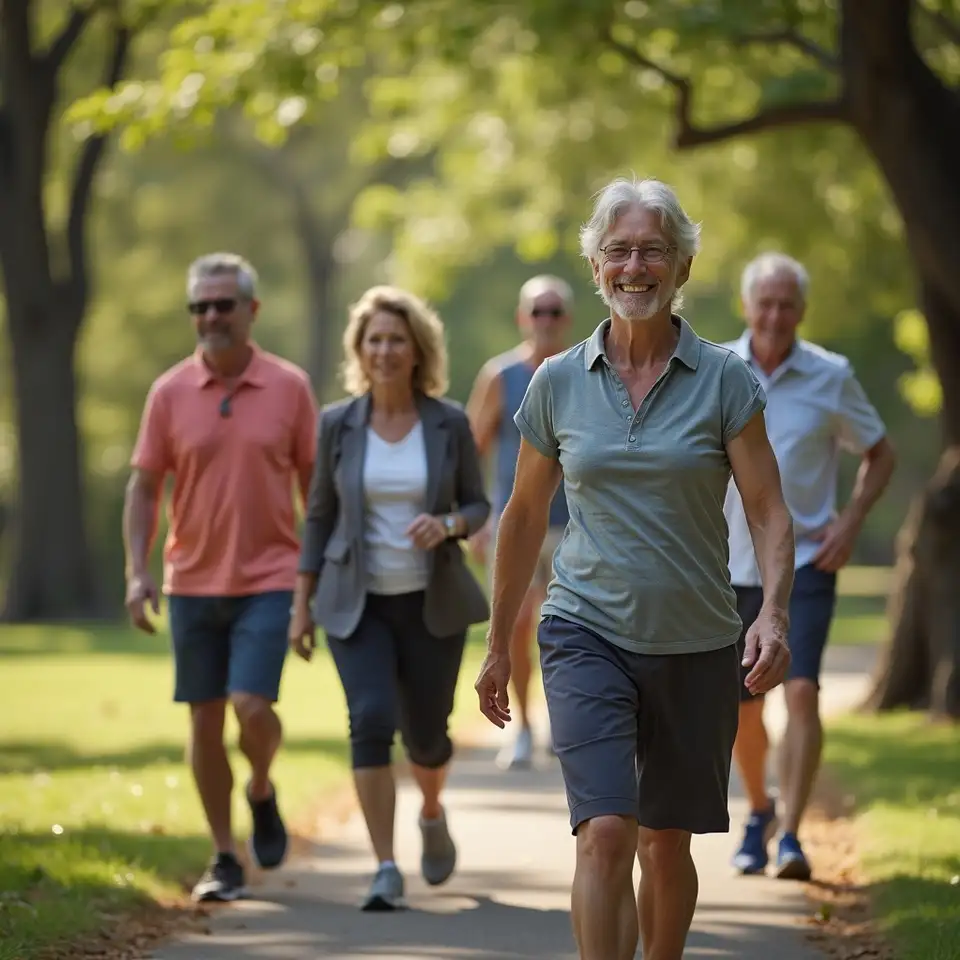
Mature Australians enjoying group walk outdoors

Active Living Resources

Wondering how to keep energy and motivation high as you age? Our resources cut through the noise with practical articles, guides, and tips tailored for mature Australians. Every piece focuses on achievable steps that fit real lifestyles.

From movement routines to nutrition basics, emotional wellbeing and social engagement, our materials support your journey every step. Dive in for expert advice and stories that make daily activity and self-care feel doable.

Common Questions

How can I begin being more active?

Start with activities you enjoy and can repeat regularly. Even short daily walks or stretching sessions add up over time.

Can I get fitter after 50?

Absolutely. Many adults improve strength and flexibility later in life. Progress is possible at any age with consistent effort.

Which activities are best for mature adults?

Walking, swimming, group classes, or gentle strength training all work well. Choose what feels comfortable and suits your preferences.

How do I stay motivated long term?

Listen to your body, set realistic goals, and don’t compare progress with others. Find support through friends or community groups.

Does community help with staying active?

Absolutely. Social connections add accountability, encouragement, and make activity more enjoyable. Group classes and clubs help a lot.

Is being active good for mental health?

Yes. Movement supports both body and mind, helping manage stress, boost mood, and keep you feeling balanced.

Tips for Staying Active, Connected, and Motivated

Set Achievable Goals and Celebrate Small Wins

Set a clear goal, but keep it simple—like walking three times a week or joining a local class. Track your progress, reward small wins, and don’t worry about perfection. Consistency, not intensity, makes all the difference.

Vary Your Activities to Stay Engaged

Mix different types of movement: try walking, light strength work, or dancing. This keeps things fresh and targets balance, strength, and flexibility, making activity more enjoyable and less likely to cause strain.

Build Social Support Around Your Routine

Stay connected with others. Group activities or regular calls with friends boost motivation and add accountability. Sharing your journey makes routines stick and builds a network of support.

Prioritise Emotional Wellbeing as Much as Movement

Take care of your emotional health. Practise gratitude, seek joy in small moments, and don’t hesitate to ask for help when needed. Emotional wellbeing is just as vital as physical strength.